Future-Readiness
The Industry 4.0 & ESG-Ready Factory
Automation, data and sustainability are reshaping what industrial space must deliver. An Industry 4.0 factory needs power, connectivity and floor strength for machinery and robotics; an ESG-ready building adds solar, EV charging, greenery and certified quality. This guide explains what to look for, and why future-readiness now shapes both operations and tenant appeal.
Why future-readiness is now a baseline, not a bonus
Industrial property used to be judged almost entirely on location and floor area. That has changed. The shift toward Industry 4.0 — connected machinery, automation, robotics and data-driven operations — places new structural demands on the buildings that house it. At the same time, environmental, social and governance (ESG) expectations from corporate tenants, lenders and supply-chain partners have moved sustainability features from optional to expected.
For an operator, future-readiness is a hedge. A building that can support automation and meets ESG expectations stays useful and lettable as standards rise, while one that cannot risks early obsolescence. For an owner, the same qualities widen the pool of credible tenants and buyers — increasingly, larger occupiers screen space against their own sustainability commitments before they will sign.
The sections below separate the two strands — the Industry 4.0 fundamentals of power, connectivity and structure, and the ESG features that signal a building built for the decade ahead — using the verified specification of The NeX, Kota Damansara as a worked example.
Future-readiness is cheapest when it is designed in. Retrofitting power, floor strength or sustainability features into an unsuitable building is far more expensive than choosing a building that already has them.
Power: the foundation of an Industry 4.0 factory
Automation runs on electricity. Robotics, CNC machinery, automated storage, compressors and the servers that coordinate them all draw on the supply, and modern operations tend to add load over time rather than shed it. Adequate, upgradeable power is therefore the first test of an Industry 4.0 factory.
At The NeX, Kota Damansara, units are provisioned with 3-phase power — 60A on the A-type units and 100A on the larger D and E types. Three-phase supply is the practical standard for industrial machinery, and the heavier 100A provision on larger units gives automation-intensive operations meaningful headroom. The building also carries fibre connectivity, which matters as much as power for a connected factory.
When assessing power, look beyond the headline rating to whether the supply suits your present and likely future equipment. Match the unit's 3-phase capacity to your machinery schedule, and confirm the details in writing before you commit.
Connectivity and floor loading for automation
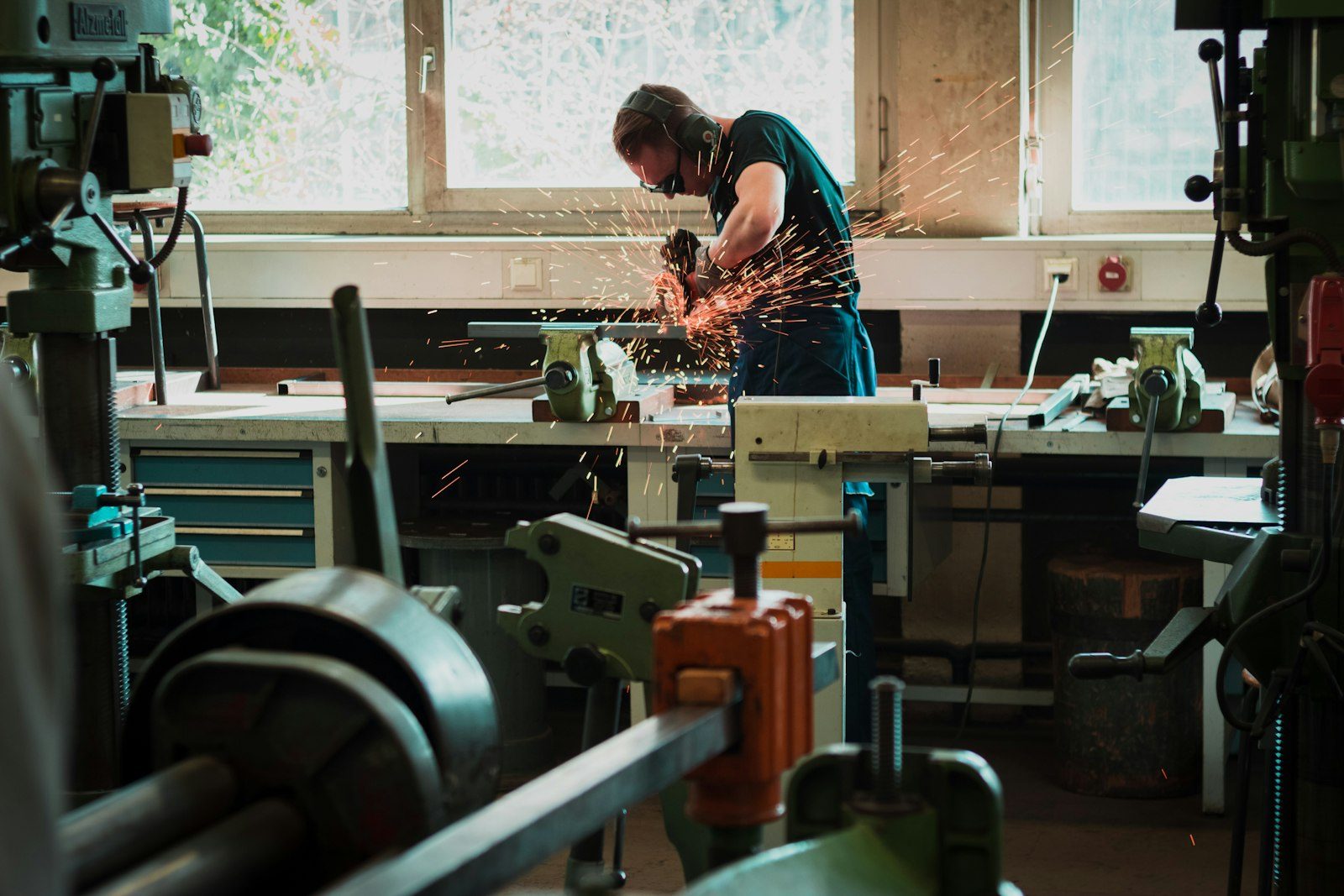
Two further fundamentals decide whether a building can host modern operations: data connectivity and structural capacity. Fibre connectivity underpins everything from machine monitoring and cloud systems to logistics coordination — a connected factory without reliable data infrastructure is a contradiction in terms.
Structure matters just as much. Heavy machinery, dense racking and automated storage concentrate load on the floor, so floor loading is a hard constraint on what you can install. At The NeX, the lower floors are rated at 10 kPa and upper floors at 3 kPa, letting you place the heaviest equipment at ground level while using upper floors for lighter functions. Generous ceiling height — up to 6.8 m, with upper floors around 3.0 to 3.5 m — and wide loading shutters (up to 4.5 m, widest 5.5 m) accommodate tall machinery, mezzanines and efficient material flow.
Movement within the building completes the picture: two 2-tonne cargo lifts, an access ramp, ground loading bays, a loading terrace and a drive-through arrangement all support the kind of fast, repeatable handling that automated operations depend on.
Floor loading and ceiling height cannot be upgraded after construction. If your operation involves heavy machinery or automated storage, treat these structural figures as decisive, not secondary.
Future-ready specification at a glance
ESG features: solar, EV charging and greenery
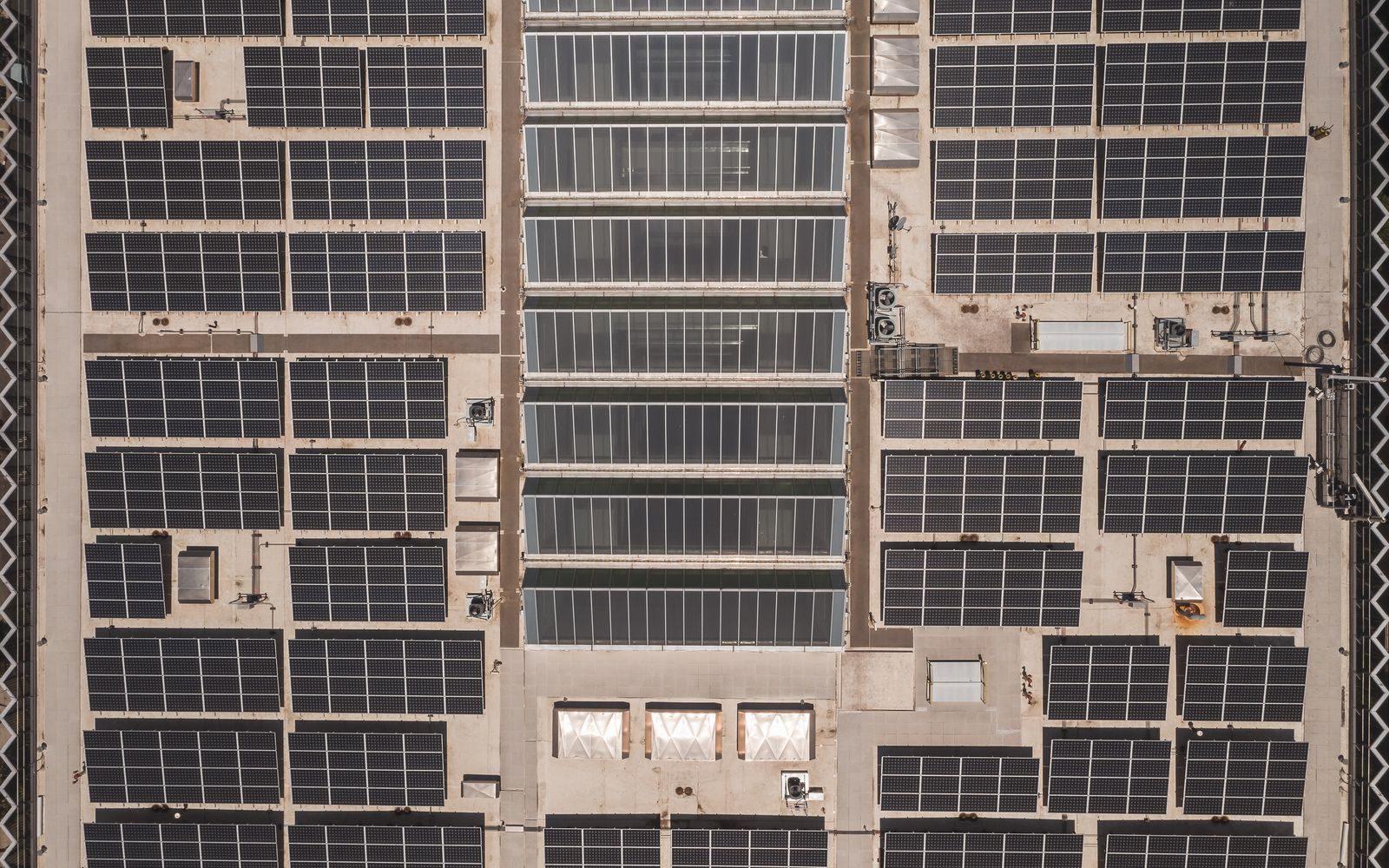
ESG-readiness in industrial space is increasingly concrete rather than rhetorical. The most tangible features are energy and mobility. Solar panels let a building generate part of its own electricity, reducing reliance on the grid and supporting tenants' own emissions goals. EV charging — with dedicated EV bays at The NeX — prepares the site for the shift to electric fleets and staff vehicles, which is already underway across the Klang Valley.
The social and environmental experience of the building matters too. Landscaped greenery, a garden terrace and deck, and rooftop amenity space soften an industrial environment and contribute to staff wellbeing — increasingly relevant when employers compete for talent. Provision for cyclists and a large pool of motorcycle bays, alongside ample visitor parking, round out a mobility profile suited to a modern workforce.
Taken together, these features signal a building designed with sustainability in mind from the outset. For corporate occupiers with formal ESG commitments, that can be the difference between a shortlisted building and one that is screened out before a viewing.
What makes a building future-ready
Quality and certification: why QLASSIC matters
Future-readiness is not only about features on a brochure — it is also about how well the building is actually built. QLASSIC (the Quality Assessment System in Construction, administered by CIDB) is an independent, standardised measure of workmanship quality across structural, architectural and finishing elements. A development assessed under QLASSIC has had its build quality evaluated against a recognised national benchmark.
For an operator, build quality translates directly into lower defect rates, fewer disruptions and more predictable maintenance over the life of the building — the same qualities that make a building dependable for automated, round-the-clock operations. For tenant and buyer appeal, a recognised quality assessment is a credible signal that the asset was built to last.
It is worth being precise here: QLASSIC is a construction-quality assessment, distinct from green-building ratings. We reference it because it is the verified quality framework for The NeX, Kota Damansara — and we avoid claiming any green certification that has not been confirmed.
Why future-readiness shapes operations and tenant appeal
Bringing the strands together, future-readiness affects the two things every industrial occupier cares about: how well the space runs, and how well it holds its value. Operationally, adequate power, fibre, strong floors and efficient handling let a business adopt automation without re-engineering the building. A unit that supports your operations today and accommodates the equipment you may add tomorrow protects you from a costly relocation.
On appeal, the same attributes widen demand. As more occupiers and lenders apply ESG and quality screens, buildings with solar, EV charging, greenery and a recognised quality assessment such as QLASSIC stay relevant and sought-after, while less-equipped stock drifts toward obsolescence. Future-readiness, in other words, is both an operating advantage and a form of long-term protection for the asset.
The independent takeaway: assess an industrial unit against the standards of the decade ahead, not just today's. Confirm power, floor loading, ceiling height and connectivity against your own operational plan, weigh the ESG and quality features against the expectations of the tenants and buyers you hope to attract, and verify every specification in writing before you commit.
Explore The NeX KD
Overview
The full project overview — concept, highlights and the at-a-glance numbers.
Learn more →
Specifications
Ceiling heights, floor loading, roller shutters, lifts and power — the full spec sheet.
Learn more →
Unit Types
All unit types A–E, built-up sizes and the complete 242-unit mix.
Learn more →
Request the price list & floor plans
Independent guides to Kota Damansara's industrial market, the industrial-hub opportunity, and The NeX in depth.